Community Draft
Indie Hackers
5 min read

Building StartupAI in public

I built StartupAI because AI tools kept telling founders what they wanted to hear

Every time I watched a founder paste an idea into a generic AI tool, I saw the same pattern: a polished answer, a confident tone, and almost no separation between belief and proof. It felt useful. It also felt dangerous.

40+ founder interviews

The messaging sharpened around one recurring pain: founders want clarity, not more encouragement.

3 frameworks

Value Proposition Design, Testing Business Ideas, and The Mom Test shape the product direction.

Small beta cohort

I am looking for founders with a live idea who will push on what feels useful versus what feels like ceremony.

Over the last year, I kept seeing the same early-stage founder mistake show up in a new wrapper. Instead of getting false confidence from a friend or a pitch competition, people were now getting it from AI. Ask whether an idea is promising, and the tool replies with a tidy market story, a plausible wedge, and a clean list of next steps.

The problem is not that the writing is bad. The problem is that it blurs everything together. Founder intuition, market reality, customer evidence, and wishful thinking all get flattened into one convincing answer. If your runway is short, that kind of confidence can be expensive.

That is why I started building StartupAI around a stricter rule: AI should not be a hype machine for startup ideas. It should be a methodologist. The product takes a rough concept and pushes it through a structured workflow inspired by Value Proposition Design, Testing Business Ideas, and The Mom Test. The goal is not to generate prettier strategy docs. The goal is to make weak assumptions harder to hide.

The piece I care about most is the separation between hypothesis and evidence. If a claim comes from the founder, it should stay marked as a belief until it earns its way out. If it comes from customer behavior, validated interviews, or observable market proof, it deserves more weight. That distinction sounds basic, but most early tooling skips it entirely.

Right now the product direction is strongest for solo founders and very small teams who need to answer three questions fast: what problem are we really solving, which assumptions are still shaky, and what should we test next before we spend more time building.

The demos below are the screens I use when I explain StartupAI to other founders. They are intentionally practical. I am not trying to impress people with glossy dashboards. I want to show a product that can force a more honest conversation with yourself before the market does it for you.
Screenshots and demos

Three screens that explain the product faster than a pitch ever could

These are demo snapshots for the current beta direction. They show the kind of structure I want founders to get immediately: framing, evidence separation, and the next experiment queue.

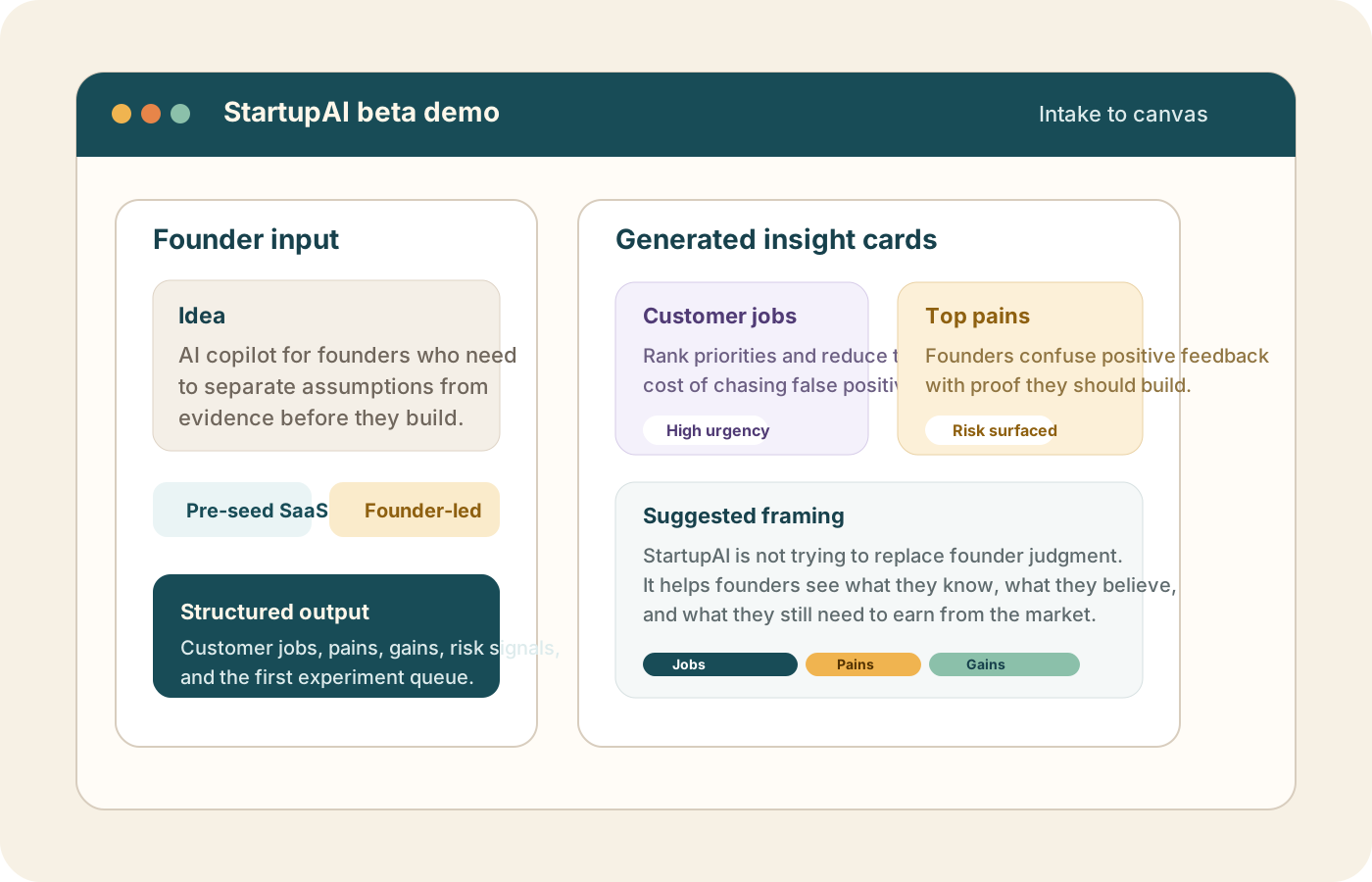
StartupAI beta demo showing founder input on the left and generated insight cards on the right

Idea intake to structured canvas

The first screen turns a rough founder description into jobs, pains, gains, and a first-pass framing of the problem.

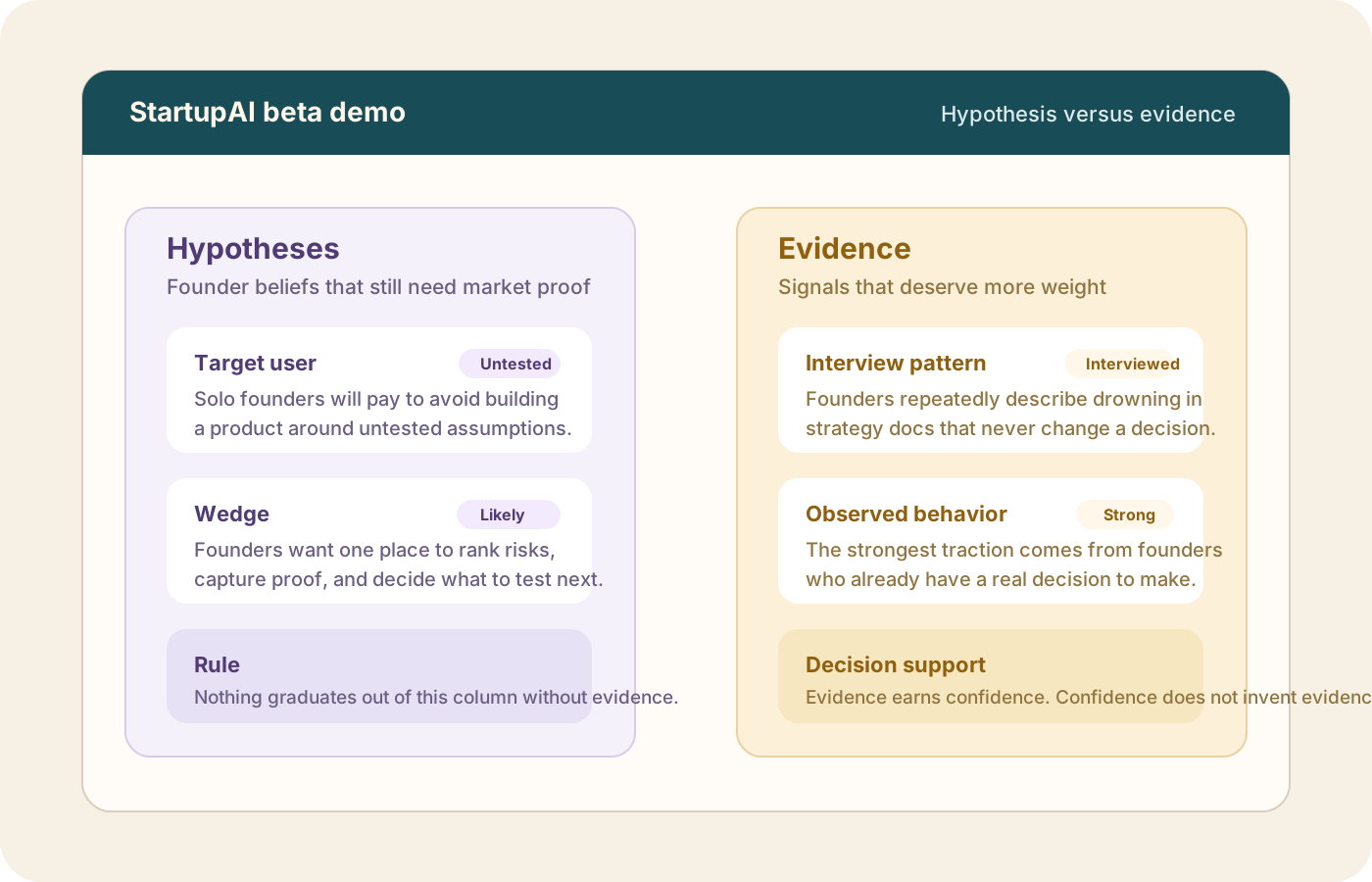
StartupAI beta demo with side-by-side hypothesis and evidence columns

Hypothesis versus evidence split

The core idea is simple: if a claim has not been earned by the market yet, it stays visible as a hypothesis.

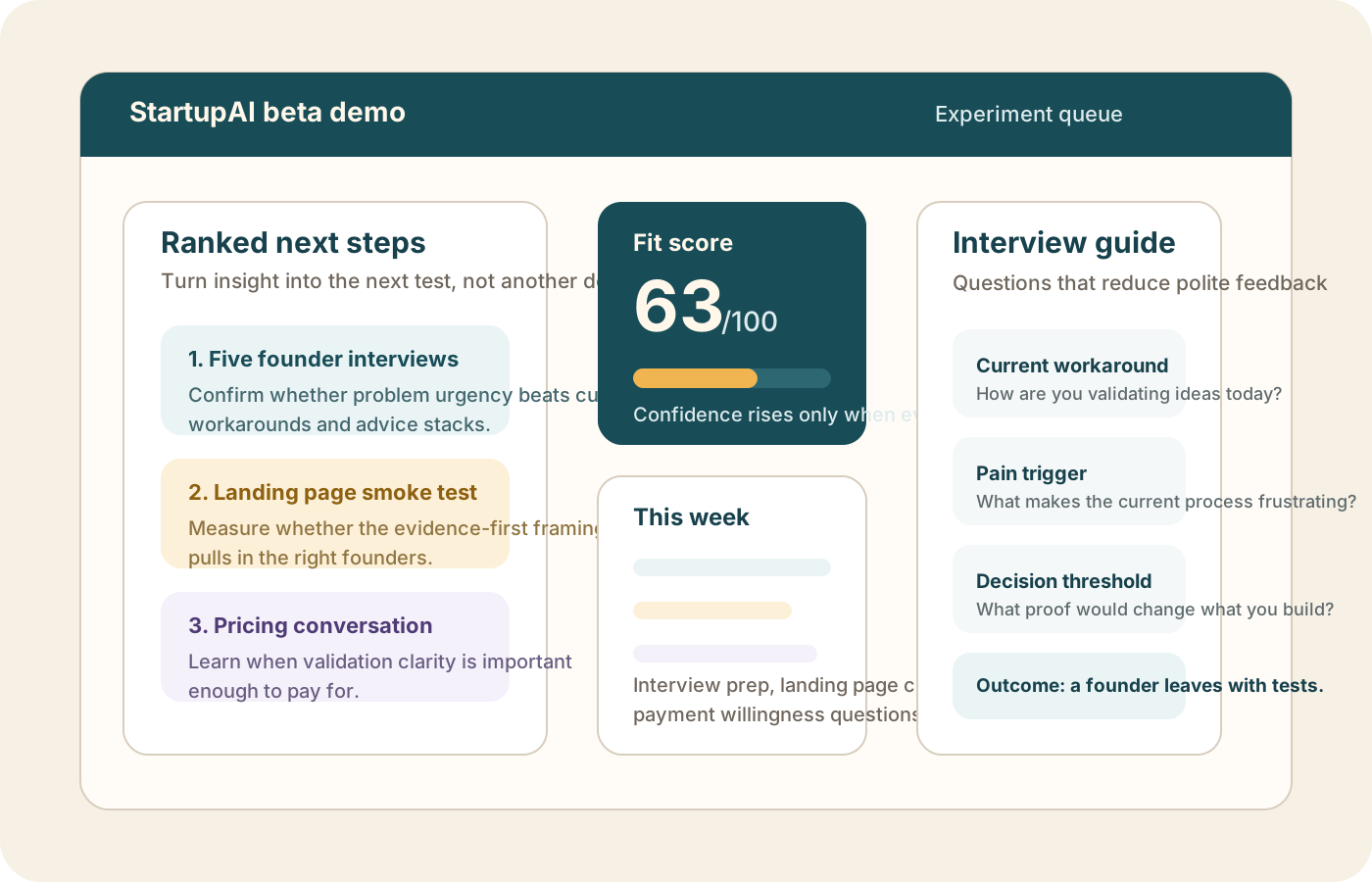
StartupAI beta demo showing a ranked experiment queue and fit score panel

Next experiments for the beta flow

Instead of ending with a pretty canvas, the flow should leave founders with the next interviews, tests, and risks to attack.

What I want feedback on

If this resonates, I would love blunt feedback from founders

Would you use a tool that makes weak assumptions this explicit before you build?
Where does structured validation feel helpful, and where would it start to feel like overhead?
What single output would make a beta product like this worth revisiting every week?

Beta signup

Want to try StartupAI on a real idea?

I am opening the beta to founders who want sharper validation, not more startup theater. If you are actively shaping a product and want structured help separating evidence from assumptions, apply here.